Herbal Hair Loss Clinic
Pure natural therapy London Chinese medicine clinic specialises in the most effective hair loss solutions, tailor-made for you, and provided by our experienced expert for the formulation of the treatment plan. Make an appointment for free consultation, and start to reverse your hair loss today
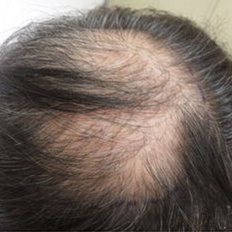
Androgenic alopecia(AGA)
Men's hairline recedes and the top of the head is sparse; women's overall thinning
85% for men and 40% for women.
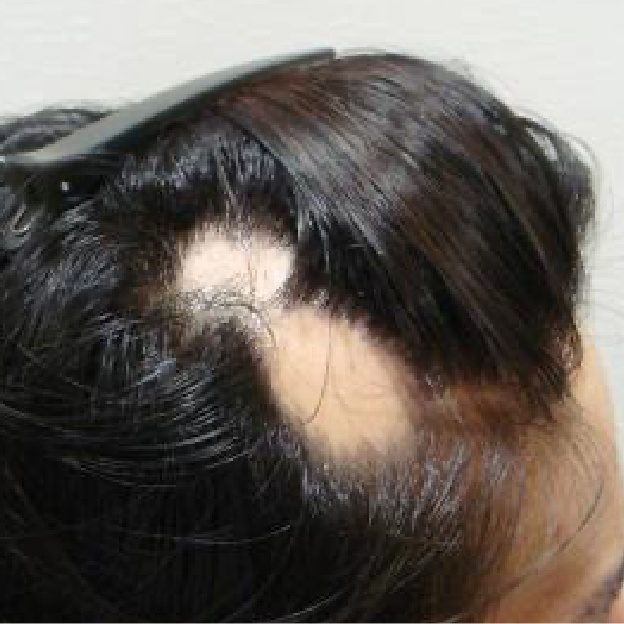
Alopecia areata
(AA)
The immune system attacks hair follicles, resulting in round plaque hair loss
1 case per 500 people in the UK.
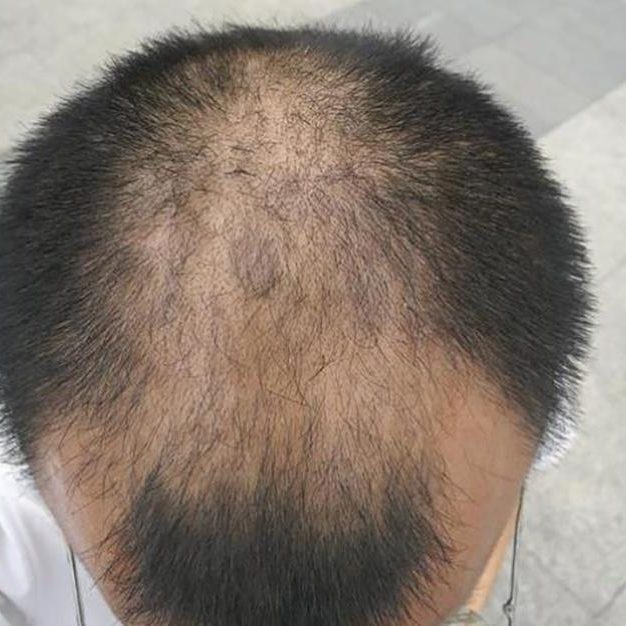
Rest period hair loss(TE)
Stress, disease (such as COVID-19) and lack of nutrition lead to sudden hair loss
22% of patients reported after COVID-19
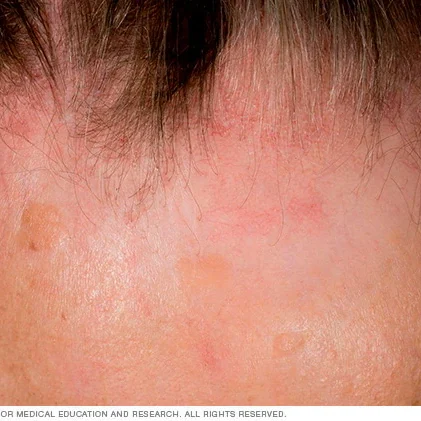
Frontal fibrous hair loss(FFA)
More common in women, hairline backward movement accompanied by scar alopecia
The incidence rate has increased in recent years
Step by step treatment plan
The world's leading London clinic specialises in the most effective hair loss solutions, tailor-made for you, and provided by our renowned experts for aftercare. Make an appointment for free consultation, and start to reverse your hair loss today.
In the realm of Chinese medicine, head and hair care extends beyond mere aesthetics, as it intricately ties to the balance of the body’s internal systems. Factors such as stress, hormonal imbalance, insomnia, low energy levels, and indigestion can significantly affect the health of our hair and scalp. Stress can lead to the depletion of vital qi (energy), which is essential for nourishing hair follicles, while hormonal imbalances may cause hair thinning and loss. Additionally, insufficient sleep—often a result of insomnia—prevents the body from rejuvenating, further impacting hair vitality. Low energy levels can indicate an underlying deficiency that disrupts the harmony required for healthy hair growth, whereas poor digestion can hinder the absorption of nutrients critical for maintaining a lustrous mane. Therefore, addressing these imbalances through lifestyle changes, herbal remedies, and holistic practices is crucial for achieving optimal head and hair health in line with the principles of Chinese medicine.
Hair loss isn't just about your scalp – it's a sign of inner imbalance. TCM focuses on fixing the root cause.

1. Detection of scalp and hair follicles
Take photos, analyse and type
In the realm of Chinese medicine, the assessment of scalp and hair follicles plays a crucial role in understanding hair loss. By taking detailed photographs of the scalp, practitioners can gain valuable insights into the underlying conditions affecting hair health. This visual documentation allows for a comprehensive analysis, where various characteristics of the scalp and hair follicles are meticulously examined.
Once the photographs are captured, they are systematically analysed to identify unique traits and abnormalities. Different types of hair follicles can indicate specific patterns of hair loss or underlying health conditions. For instance, the examination might reveal signs of thinning, brittleness, or inflammation, each of which can link to traditional Chinese diagnostic methods..
Subsequently, the classification of hair follicles into distinct types aids practitioners in formulating tailored treatment plans. By distinguishing between healthy and unhealthy follicles, as well as recognising the varying patterns of hair loss, a more focused and effective approach can be adopted within the framework of Chinese medicine.
Ultimately, this method of detection not only enhances the understanding of individual cases but also facilitates a holistic treatment strategy that may incorporate herbal remedies and dietary adjustments. In this way, the integration of photographic analysis with traditional practices can significantly contribute to addressing hair loss through a comprehensive lens, fostering both scalp health and overall wellbeing.

2. Herbal lotion with Needling
Plum needle, micro needle, water light needle
In the realm of Chinese medicine, the use of innovative techniques such as plum needles, micro needles, and water light needles has gained prominence in addressing hair loss.
When paired with a herbal hair growth lotion, these methods can significantly enhance the efficacy of treatments. Plum needles, known for their gentle stimulation properties, are effective in promoting blood circulation and nourishing the scalp. Similarly, micro needling encourages collagen production and revitalises hair follicles, while water light needles deliver the herbal formulation deep into the skin, maximising absorption.
Together, these approaches harness the holistic benefits of herbal ingredients traditionally used in Chinese medicine, offering a natural and effective solution for hair loss.

3 Herb fumigation of the scalp
After the needling procedure, herb fumigation of the scalp serves as an excellent method to enhance the absorption of herbal hair lotion in the context of Chinese medicine for hair loss. This traditional technique involves the application of steam infused with medicinal herbs directly to the scalp, facilitating relaxation while stimulating blood circulation and nutrient delivery to hair follicles. By creating a warm, moist environment, herb fumigation not only opens the pores but also allows the active ingredients in the herbal lotion to penetrate deeply, thereby maximising their efficacy. This holistic approach not only promotes healthier hair growth but also aligns with the principles of balancing the body’s energies, essential for effective hair restoration.

4 External treatment of herbal
Herb soap, herbal essential oil, massage comb
Incorporating herb soap, herbal essential oils, and a massage comb into your at-home routine can be an effective external treatment for hair loss as suggested by principles of Chinese medicine. Herbal soap, enriched with natural extracts, cleanses the scalp while imparting nourishment. Following this, the application of herbal essential oils—such as ginseng or rosemary—can stimulate blood circulation and promote hair follicle health. Using a massage comb helps in evenly distributing these oils and enhances scalp stimulation, thereby invigorating hair growth. This holistic approach not only aids in addressing hair loss but also aligns with the traditional Chinese emphasis on the interconnectedness of bodily health and external care practices.
Skin mirror signs of common hair loss diseases
The world's leading London clinic specialises in the most effective hair loss solutions, tailor-made for you, and provided by our renowned experts for aftercare. Make an appointment for free consultation, and start to reverse your hair loss today.
Hair loss isn't just about your scalp – it's a sign of inner imbalance. TCM focuses on fixing the root cause.
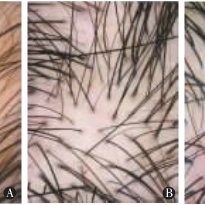
1. Androgenic alopecia(AGA)
Agha is a common non-scarred hair loss in men. It is mainly on the top of the head and the hairline of the forehead. The pathological process is that the diameter of the hair trunk decreases until it degenerates into hair. The characteristic sign of dermatoscopy is that the thickness of the hair trunk is uneven, and the difference in diameter is more than 20% (Figure 2A). The slightly concave brown halo around the mouth of the hair follicle in the early stage is the peri-follicle sign (2B). Patients with AGA in the advanced stage may also be accompanied by yellow spot signs. The incidence is significantly lower than that of patients with patchy baldness, and the formation is unclear. In addition to the above skin signs, female patients also have hairless follicle openings (as shown in Figure 2C) and scalp pigmentation in severe patients.
Hair follicle atrophy caused by "gene + androgen"
2. Alopecia areata (AA)
Alopecia areata is an unexplained inflammatory and scarred hair loss disease. Under the skin microscope, it is characterised by yellow spots, broken hair, black spots, increased hair and exclamation marks. The yellow dot is usually located in the centre of the hair follicle unit (Figure 1A). The black spot sign is due to the fact that the patchy baldness follicles enter the rapidly degressive lesions, and the separated and disconnected hair stems stay at the mouth of the hair follicle, which is not excluded (Figure 1B). Figure 1C shows that short hair is malnourished or new hair. Figure 1D shows the characteristics of the exclamation mark hair. The hair gradually becomes thinner near the skin, and the colour becomes lighter, forming an exclamation mark form with a thick top and a thin bottom. This is a characteristic change of patchy baldness, which has important diagnostic significance. It is often combined with broken hair, uneven hair thickness, etc., which is more common in the acute hair loss period of patchy baldness, and is associated with recent hair follicle malnutrition.
private lives.
3 Rest period hair loss(TE)
There are many factors that cause rest period hair loss, mostly diffuse hair loss. Most of the hair that falls out is in the dormant columnar or rod-shaped hair, which is divided into acute or chronic. Acute resting hair loss is often 2-3 months after the stress event. Patients may have high fever, surgery or heavy bleeding, which leads to a shortening of the growth period of hair follicles and entering the degetion period early. Chronic hiberration hair loss often lasts for more than 6 months, mostly after the triggering factors caused by persistent diseases, such as hypothyroidism, severe iron deficiency anaemia, anorexia, etc. Under the skin microscope, you can see the opening of hairless hair follicles and short new hairs. The main feature is that the difference in the diameter of the hair trunk is less than 20%. For details, see Figure 3D, which can be differentiated from Agha.
whenever they have problems.
4 Frontal Fibrosing Alopecia (FFA)
Female Pattern Hair Loss (FPHL) vs Frontal Fibrosing Alopecia (FFA)
Frontal fibrosing alopecia is a scarring alopecia that affects an estimated 1 in 2,000 women age 50 and older. Androgenetic alopecia or female pattern hair loss affects about 1 in every 2 women 50 and over. The features of the two conditions are different although it’s not uncommon for FFA to be misdiagnosed as androgenetic alopecia. Some women can have both conditions. FFA affects the frontal hairline in many women with FFA (but not all) and also affects other scalp hairs in many affected patients as well. Loss of eyebrows, eyelashes, body hair is common. Female pattern hair loss can affect the frontal areas and temples to some degree but greater loss is typical behind the hairline and into the middle of the scalp or crown. Some women with female pattern hair loss have a diffuse loss which affects all scalp hair.
Trichoscopy is valuable to help differentiate FPHL from FFA. FPHL shows variations in the thickness of hairs and an accumulation of small thin vellus hairs. The scalp is not inflamed although varying degrees of scale can be seen depending on whether dandruff and seborrheic dermatitis are also present. The key is that thinning of hairs can be appreciated- this includes a thinning of the normal bundles as they reduce from bundles of 2 and 3 hairs to bundles of 1 and 2 hairs as well as actual thinning of the caliber of hairs. FFA is a destructive proceed and this thinning is not seen. FFA destroys vellus hairs and these are generally not seen as the disease becomes more advanced. An absence of tiny vellus hairs should be clues to FFA. FFA also causes loss of the normal architecture with a “sea of singles” meaning what remains is an accumulation of hair follicles with just a single hair emerging from them. Perifolllicular scale and redness is often seen in FFA.
How Does Traditional Chinese Medicine (TCM) View Hair Loss?
Traditional Chinese Medicine (TCM) views hair loss as a manifestation of internal imbalances, linking it to the health of vital organs, blood, and Qi (vital energy). Below is a detailed breakdown of TCM’s perspective on hair loss, including its causes, organ relationships, and treatment principles.
In TCM, hair is considered an extension of blood (Xue) and is nourished by Kidney essence (Jing) and Liver blood. The quality, thickness, and growth of hair reflect the state of these internal systems:
1. "Hair is the surplus of blood" (《黄帝内经》Huangdi Neijing) – Healthy hair depends on sufficient blood to nourish the scalp and follicles .
2. "The Kidneys manifest in the hair" – The Kidneys store Jing, which governs growth, development, and hair pigmentation. Weak Kidney energy can lead to thinning, graying, or brittle hair .
3. The Liver stores blood and ensures smooth circulation of Qi and blood. Stress or emotional turmoil (Liver Qi stagnation) can disrupt this, leading to hair loss .
How Does TCM Treat Hair Loss?
TCM offers personalized treatments to restore balance and improve fertility naturally. This includes
1. Acupuncture: Regulates Hormones & Improves Blood Flow
1) Stimulates reproductive organs by increasing blood circulation to the ovaries and uterus.
2) Balances hormones like estrogen and progesterone, supporting ovulation and implantation.
3) Reduces stress and anxiety, which can negatively impact fertility.
Best for: Irregular periods, poor egg quality, stress-induced infertility, IVF support.
2. Herbal Medicine : Nourishes the Body & Supports Reproductive Health
1) Custom herbal formulas strengthen Kidney Qi, nourish Blood, and clear blockages.
2) Herbs like Dang Gui (当归), Bai Shao (白芍), and Huang Qi (黄芪 ) improve uterine lining, regulate cycles, and boost energy.
3) Helps with PCOS, endometriosis, irregular ovulation, and poor egg quality.
Best for: Hormonal imbalance, poor endometrial lining, weak ovulation, irregular periods.
3. Moxibustion: Warms the Uterus & Boosts Yang Energy
1) Uses mugwort herb (艾叶) to gently warm acupuncture points.
2) Improves blood circulation to the uterus, removes cold, and enhances implantation chances.
Best for: Cold uterus, irregular ovulation, recurrent miscarriages.
4. Cupping & Tui Na Massage: Improves Circulation & Reduces Stress
1) Cupping detoxifies the body and improves blood flow to the reproductive organs.
2) Tui Na massage relaxes the nervous system and reduces stress-related infertility.
Best for: Blocked fallopian tubes, low libido, poor circulation.
5. Diet & Lifestyle Adjustments: Strengthens the Body for Conception
1) Eat warm, nourishing foods (soups, bone broth, walnuts) to strengthen Kidney Yang.
2) Avoid cold/raw foods that weaken digestion and create dampness in the body.
3) Manage stress with meditation, light exercise, and good sleep.
Best for: General fertility support, hormone balance, and pregnancy preparation.
1. Problems
01
Thinning hair
Goal: Hair follicle atrophy caused by "gene + androgen"
✔ Acupuncture – Enhances ovarian function, improves blood flow to the uterus, and balances hormones.
✔ Herbal Medicine – Nourishes Kidney Yin/Yang, regulates cycles, and improves egg quality.
✔ Diet & Lifestyle – Warm, nutrient-rich foods (walnuts, bone broth, sesame) to support reproductive health.
✔ Stress Management – TCM believes emotional balance is key to fertility. Meditation, Tai Chi, and Qi Gong help.
Best For: Women with low AMH, poor egg quality, irregular periods, or hormonal imbalance.
02
Stress hair loss
Goal: Support follicle growth, prevent side effects, and balance hormones.
✔ Acupuncture (2x per week) – Improves ovarian response, increases follicle count, and reduces bloating/discomfort.
✔ Herbal Medicine (if approved by your doctor) – Strengthens Kidney Qi to support healthy follicle development.
✔ Diet Adjustments – Avoid cold/raw foods; eat warm, blood-building foods (red dates, goji berries).
Best For: Women with low ovarian response, bloating, or hormonal imbalances.
03
Oily scalp/dandruff
Goal: Improve uterine lining, relax the body, and support implantation.
✔ Acupuncture (before and after transfer) – Studies show acupuncture before & after embryo transfer can increase pregnancy rates.
✔ Moxibustion (if needed) – Warms the uterus, improves blood circulation, and supports implantation.
✔ Rest & Relaxation – Avoid heavy exercise, stress, and cold foods. Keep the body warm.
Best For: Women with thin uterine lining, previous implantation failure, or stress/anxiety.
04
Slow growth
Goal: Support implantation, prevent miscarriage, and nourish pregnancy.
✔ Acupuncture (weekly in the first trimester) – Supports progesterone levels, prevents miscarriage, and reduces anxiety.
✔ Herbs (case by case, if approved by the doctor) – Strengthen Kidney Qi and support a stable pregnancy.
✔ Gentle Movement – Qi Gong, light walking, and stress-free activities are beneficial.
Best For: Women with a history of miscarriage, implantation failure, or weak constitution.
2. Types treatment plan
01
Androgenic alopecia
Cause of disease: Hair follicle atrophy caused by "gene + androgen"
✔ Acupuncture – Enhances ovarian function, improves blood flow to the uterus, and balances hormones.
✔ Herbal Medicine – Nourishes Kidney Yin/Yang, regulates cycles, and improves egg quality.
✔ Diet & Lifestyle – Warm, nutrient-rich foods (walnuts, bone broth, sesame) to support reproductive health.
✔ Stress Management – TCM believes emotional balance is key to fertility. Meditation, Tai Chi, and Qi Gong help.
High incidence of people: Women with
02
Alopecia areata
Goal: Support follicle growth, prevent side effects, and balance hormones.
✔ Acupuncture (2x per week) – Improves ovarian response, increases follicle count, and reduces bloating/discomfort.
✔ Herbal Medicine (if approved by your doctor) – Strengthens Kidney Qi to support healthy follicle development.
✔ Diet Adjustments – Avoid cold/raw foods; eat warm, blood-building foods (red dates, goji berries).
Best For: Women with low ovarian response, bloating, or hormonal imbalances.
03
Postpartum hair loss
Goal: Improve uterine lining, relax the body, and support implantation.
✔ Acupuncture (before and after transfer) – Studies show acupuncture before & after embryo transfer can increase pregnancy rates.
✔ Moxibustion (if needed) – Warms the uterus, improves blood circulation, and supports implantation.
✔ Rest & Relaxation – Avoid heavy exercise, stress, and cold foods. Keep the body warm.
Best For: Women with thin uterine lining, previous implantation failure, or stress/anxiety.
04
Stressed hair loss
Goal: Support implantation, prevent miscarriage, and nourish pregnancy.
✔ Acupuncture (weekly in the first trimester) – Supports progesterone levels, prevents miscarriage, and reduces anxiety.
✔ Herbs (case by case, if approved by the doctor) – Strengthen Kidney Qi and support a stable pregnancy.
✔ Gentle Movement – Qi Gong, light walking, and stress-free activities are beneficial.
Best For: Women with a history of miscarriage, implantation failure, or weak constitution.
Key Takeaways
Our highly qualified experts recommend
Fix inside first**: Hair health starts with kidneys, liver, blood, and digestion.
Eat smart**: Go for black foods (sesame, beans), greens, and lean protein.
Avoid**: Greasy foods, sugar, and chronic stress.
Try**: Herbal washes (like mulberry leaf) + 5-min daily scalp massage.